

Male Hair Transplant: The Complete Guide to Modern Hair Restoration in Cape Town
Male hair transplant surgery in Cape Town is a common solution for the thousands of men who experience hair loss. They begin researching a hair transplant as soon as they notice their hair is thinning. A receding hairline and thinning at the top of the head (crown) can cause many issues, including low self-esteem, self-consciousness, and self-doubt regarding physical appearance. With the increased availability of cosmetic and dermatologic treatments in cities like Cape Town, there has also been a rise in the number of men interested in learning about the latest techniques for treating hair loss, including male pattern baldness.
The goal of this article is to provide one of the best sources of information available online about male hair transplant procedures. The article will cover the science behind hair restoration, how the male hair transplant procedure is performed, the success rate of hair transplantation, how long it takes to recover from the procedure, and what patients can reasonably expect after a male hair transplant in Cape Town or elsewhere in South Africa.
There is a wealth of knowledge in hair transplantation surgery online. Over the years, advancements in surgical techniques have enabled more accurate, natural-looking, and successful male hair transplant procedures than ever before. Many men researching a male hair transplant in Cape Town want to understand how the procedure works, how long the results typically last, and whether hair transplantation can provide a permanent solution.
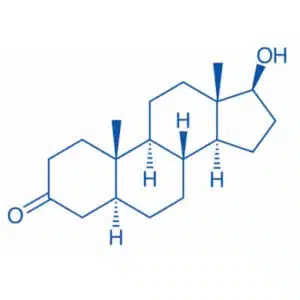
The Biology of Male Pattern Baldness
Male pattern hair loss, medically referred to as androgenetic alopecia(AGA), has two major contributing factors: genetics and hormones. The main hormone responsible for male pattern hair loss is dihydrotestosterone (DHT). DHT is produced when the hormone testosterone is converted into dihydrotestosterone by an enzyme known as 5-alpha reductase.
As an individual with a genetic predisposition to hair loss ages, DHT gradually begins to affect genetically susceptible hair follicles. Over time, DHT causes the hair follicle to shrink, a process known as follicular miniaturisation. As the follicles become smaller, they begin producing shorter, thinner hairs until the follicle eventually stops producing visible hair.
In most cases, hair follicles on the top of the scalp surface are more sensitive to DHT. In contrast, the follicles located at the back and sides of the scalp are genetically different and don’t have receptors sensitive to DHT’s miniaturisation effects . Because of this, hair follicles from the back and sides of the scalp are commonly used as donor hair in male hair transplant or hair restoration procedures, as these follicles typically continue producing thicker hair even after they are relocated to other areas of the scalp.
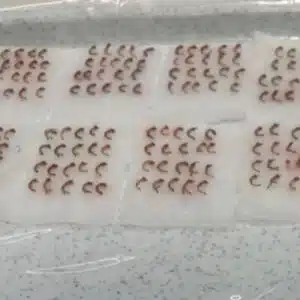
What Is a Male Hair Transplant?
A male hair transplant is a surgical procedure that restores hair growth in areas of the scalp where hair has been reduced due to thinning or balding. During the procedure, the surgeon removes hair follicle units from a donor area of the scalp (usually at the back and/or sides of the head). The surgeon then places these hair follicles into areas of the scalp that previously had little to no hair growth (recipient area).
These donor hairs are not affected by dihydrotestosterone (DHT), the hormone associated with male pattern baldness. Because of this, when donor hairs are relocated to their new positions, they usually continue to grow as if they were still in their original locations.
Hair transplantation is a popular solution for:
• Receding hairlines
• Thinning crowns
• Male pattern baldness
• Hair loss caused by scar tissue
• Hairline irregularities
Nowadays, most surgeons use modern techniques to transplant single naturally occurring follicular units, which help recreate a natural hair growth pattern and achieve more natural-looking results.
How Do Male Hair Transplants Work?
Male hair transplantation is based on the concept of “donor dominance,” in which hair follicles from donor sites (the back and sides of the head) are genetically resistant to dihydrotestosterone (DHT), the primary hormone responsible for male pattern baldness. Therefore, when a man undergoes a hair transplant, the resistant follicles are removed from the donor area and implanted into the balding or thinning areas of the scalp, where they can continue to grow hair as they would have in their original location.
When the individual hair follicle is moved to its new location, it typically begins producing hair again, just as it did before it was transplanted.
The process of a typical male hair transplant procedure usually follows this sequence:
- Identify and prepare the donor area
- Extract/Remove the hair follicles from the donor area
- Excise excess soft tissue from the extracted grafts, divide based on the follicular number for each graft and place on ice for preservation
- Create small incisions in the recipient area following natural hairline patterns
- Plant each graft into these incisions in the correct orientation for a very natural appearance
- Once the transplanted follicles establish their blood supply, they begin to grow hair starting at around month 3 post transplantation
As a result, a male hair transplant is usually capable of producing permanent results.
The Science Behind Donor Dominance
Beginning with one of the most significant scientific foundations of male hair transplantation, the principle of “donor dominance“ was established in the early 1950s by Dr Norman Orentreich. Dr Orentreich discovered that when he transferred hair follicle tissue from the donor site to a thinning area of the scalp, the transplanted hair follicles retained the biological characteristics of their original location.
In other words, the transplanted hair follicles remain as resistant to the effects of dihydrotestosterone (DHT) as the follicles from the donor site.
Therefore, the principle of donor dominance provides the fundamental scientific basis for the surgical techniques used in modern male hair transplant and hair restoration procedures.
How Long Does a Male Hair Transplant Take?
A frequent patient inquiry is how many hours a male hair transplant procedure takes.
The time required for the procedure depends on the number of grafts to be transplanted and the procedure’s overall complexity. Procedure times can vary, but most male hair transplant procedures take between 8 and 10 hours to complete. Larger procedures involving more grafts may require additional time.
Treatment Timeline
Consultation:
The practitioner determines the most appropriate treatment approach by evaluating the patient’s hair loss pattern, the availability of donor hair, and the patient’s long-term treatment goals.
Procedure Day:
Hair follicles are carefully removed from the donor area and transplanted into the balding or thinning regions of the scalp.
Recovery:
Patients return home the same day and resume basic daily activities within 4days and full activity by 10 days.
Hair Growth Process
Weeks 2 – 3:
Transplanted hairs begin to shed, which is a normal part of the hair transplant process.
Months 3 – 4:
New hair growth begins. These hairs appear small and ‘whispy’
Months 6 – 12:
Hair density gradually increases.
Months 12-18:
The final results of the male hair transplant are typically visible.
Because hair grows gradually over time, patience is important when evaluating the results of a hair transplant procedure.

Are Male Hair Transplants Permanent?
Hair transplants for men are generally considered a long-lasting solution for hair loss because the transplanted follicles retain the characteristics of the donor hair. Hair transplants for men are successful because the transplanted hair follicles are taken from areas of the scalp that are resistant to dihydrotestosterone (DHT), the hormone responsible for male pattern baldness.
Because these donor hair follicles are genetically resistant to hair loss, they typically continue to produce hair for many years after the surgery.
It is also important to understand that:
• Hair in other areas of the scalp that were not transplanted may continue to thin over time
• Additional procedures may be required in the future as hair loss progresses
• A carefully planned long-term hairline design is important for achieving natural-looking result.
Hair loss medication is advised in most hair loss cases to preserve naturally occurring hair prone to genetic and hormonal thinning. A male hair transplant can provide excellent, natural-looking, and long-lasting results when performed properly.

How Long Does a Male Hair Transplant Last?
In many cases, a male hair transplant can give you a full head of hair that may last for your entire life. This is possible because the grafts used in hair transplantation come from the donor area at the back or sides of the scalp, which contains hair that is genetically resistant to DHT (dihydrotestosterone). This hormone causes hair loss in most men (and post-menopausal women).
Because the transplanted hair comes from the donor area, its behaviour will be similar to that of the original hair in its donor region. As such, if the donor hairs were genetically programmed to remain for your entire life, the transplanted hair will continue to grow in the same way in its new location.
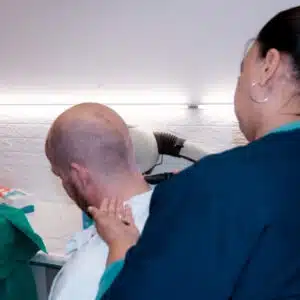
Other factors may affect how long the results of a male hair transplant will last, including:
• How quickly you lose your hair due to genetic predisposition
• The overall quality and density of hair available in your donor area
• The method used to perform the transplant
• Your overall scalp health
If you have realistic expectations and plan your treatment carefully, you should be able to maintain a natural-looking head of hair for many years.
Are Male Hair Transplants Successful?
Modern male hair transplant surgery has seen major advancements through new techniques, tools, and improved knowledge of how hair follicles grow. Due to these advancements, almost all male hair transplant procedures are successful, with graft survival rates averaging 90–95%, particularly when performed by a highly experienced surgeon.
Several other variables can affect whether or not a male hair transplant is successful:
– Density of donor hair
– Correct hair loss diagnosis and treatment plan
– Surgeon skill and experience
– Graft handling and preservation
– Graft placement to mimic natural hair growth patterns
– Realistic expectations of the patient regarding the results of hair transplant surgery
Hair transplantation is considered one of the most effective surgical treatments for androgenetic alopecia, according to the International Society of Hair Restoration Surgery (ISHRS), a leading global non-profit organisation dedicated to advancing research in hair restoration.
Difference Between FUE and FUT Hair Transplants
Two major methods of hair transplantation are currently practiced today:
• FUE (Follicular Unit Extraction)
• FUT (Follicular Unit Transplantation)
Understanding the differences between FUE and FUT hair transplant techniques can help patients make a more informed decision when considering a male hair transplant. Both types of procedures have the same result but differ in their extraction method.
FUE Hair Transplant
FUE is one of the most commonly used methods in modern male hair transplantation. In this technique, follicular units are extracted individually from the scalp donor site, usually at the back or sides of the head, where hair is less susceptible to the effects of male pattern baldness. This method of extraction is done over a larger surface area than in FUT. Decreasing the density in this area is only a concern after multiple FUE surgeries.
Each follicle is carefully prepared after extraction and then transplanted into the thinning or balding areas of the scalp. Because each follicle is placed individually, the surgeon can control the angle, direction, and density of hair growth to achieve a natural-looking result.
Benefits of FUE hair transplantation include:
• Minimal scarring
• Shorter recovery time
• Natural-looking results
• Ability to wear shorter hairstyles – faded or cleanly shaven
Because the extraction sites are extremely small, the scalp typically heals quickly, and the extraction points are usually difficult to detect once the scalp has fully healed. This has made FUE one of the preferred options for men considering a hair transplant, largely due to its minimally invasive nature and the natural-looking results it can produce.
FUT Hair Transplant
FUT (Follicular Unit Transplantation), like FUE, is also a well-established method used in male hair transplant surgery. In this technique, a small strip of scalp is removed from the donor area, typically located at the back of the head, where hair is more resistant to the effects of male pattern baldness. This relies on scalp hypermobility and doesn’t decrease donor area hair density ever.
- The strip of scalp is then carefully dissected into individual follicular units under a microscope. These grafts are prepared and transplanted into the thinning or balding areas of the scalp to restore natural hair growth. Because each follicle is placed individually, the surgeon can control the angle, direction, and density of hair growth to achieve a natural-looking result.Benefits of FUT hair transplantation include:
- Ability to obtain larger numbers of grafts – depends on genetic hair density per cm
- Often useful for more advanced cases of hair loss
- High graft survival rates
- No need to shave donor area therefore accommodating longer hairstyles
- Less surgical time required for this procedure
Both FUE and FUT are proven and effective hair restoration methods when performed by an experienced surgeon, such as the surgeons at the practice of Doctor Ryan Jankelowitz. In many cases, both techniques can produce very similar, natural-looking results, particularly when performed by a skilled practitioner.
What Does a Male Hair Transplant Cost?
Male hair transplants can be considered expensive; however, many patients feel they are worth the investment, given the improved confidence and quality of life they can provide to individuals who have experienced hair loss.
Several variables influence the total cost of a male hair transplant, including:
• The number of grafts required to cover the balding or thinning areas
• The type of surgery performed (FUE vs FUT)
• The experience and expertise of the surgeon performing the transplant
• The complexity of the individual case
Because everyone’s hair loss pattern is different, a professional consultation is recommended to determine the most appropriate treatment plan and provide an accurate cost estimate for a male hair transplant. View cost estimates of hair transplants here.
Male Hair Transplant in Cape Town
In recent years, there has been a noticeable increase in interest in male hair transplant procedures in Cape Town. This may be because more men than ever before are seeking long-term solutions for hair loss. Men researching a male hair transplant in Cape Town often want to understand how the procedure works, how long the results last, and whether the treatment can provide permanent hair restoration.
Cape Town is a major city in South Africa where patients can access experienced practitioners and modern hair restoration procedures. The advantages of undergoing a hair transplant in Cape Town include access to experienced medical practitioners, advanced surgical techniques such as FUE and FUT, and internationally recognised strict medical standards.
For many men, one of the main advantages of choosing a male hair transplant in Cape Town is the ability to consult directly with their physician and develop a personalised treatment plan. In addition, undergoing a hair transplant locally allows patients to easily attend post-procedure follow-up appointments if needed. For individuals living in the Western Cape or other parts of South Africa, having a male hair transplant in Cape Town provides access to experienced specialists while still allowing them to remain close to home.
Why Many Patients Choose Cape Town for a Male Hair Transplant
Cape Town has developed a strong reputation for dermatology and cosmetic surgery services, and many patients choose the city for hair restoration consultations and procedures. Over the last decade, the number of men travelling to Cape Town for hair restoration surgery has continued to increase.
Several key factors attract men to Cape Town for their hair restoration surgical needs:
• Highly qualified and experienced hair restoration surgeons – not only hair technicians
• Use of state-of-the-art uptodate evidence based hair transplant techniques
• Each patient’s hair loss is evaluated individually, with the most suitable hair restoration treatment being recommended
• Follow-up appointments and ongoing care after the surgical procedure provided by the same surgeon who performed the procedure
The majority of men who experience hair thinning find that a consultation with a hair restoration surgeon in Cape Town is reassuring. In addition, a professional consultation provides the surgeon with the opportunity to assess the patient’s hair loss and offer expert advice on options such as male hair transplant surgery or other hair restoration treatments.
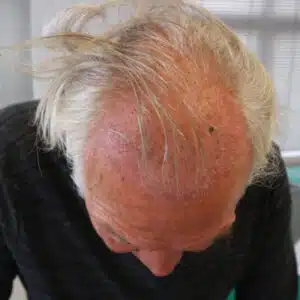
Who Is a Good Candidate for a Male Hair Transplant?
Not everybody who loses their hair will be eligible for a male hair transplant. A male hair transplant is best suited for individuals whose hair loss has stabilised (by prescription medication) and who have enough healthy donor hair to transfer to the areas of concern.
Generally, ideal candidates for a male hair transplant will have:
– Correct diagnosis
– Stabilised hair loss patterns
– Enough donor hair
– Reasonable expectations for what can be accomplished through a male hair transplant
– Overall good physical health
It is very important to have a professional consultation before deciding whether a male hair transplant is the best option for you. During this consultation, the practitioner will assess the type of hair loss you are experiencing, your donor hair density, and your long-term hair restoration goals to create a personalised hair restoration treatment plan.

Recovery After a Male Hair Transplant
Most people recover quickly from a male hair transplant. The healing process is usually well tolerated, and the side effects most men experience during this time are generally minor and temporary.
The most common post–male hair transplant side effects include:
– Mild swelling of the scalp and face
– Headaches
– A small amount of crusting (scabbing) at the sites where the hair was implanted
– Redness and tenderness on the top of the scalp
These symptoms usually disappear within 7 to 10 days once the scalp has healed. Most people can return to their normal routine shortly after a male hair transplant. However, strenuous activity or anything that involves direct pressure on the scalp may need to be postponed for a short period so that the newly transplanted hair follicles have time to establish themselves properly.
The Hair Growth Cycle
Human hair undergoes an active cycle with three stages, each with its own function.
Anagen Stage
This is the stage when hair is actively growing. Hair can grow for up to 7 years (3-5 years on average).
Catagen Stage
A temporary stage that lasts only a few weeks where growth slows before the active growth phase ends.
Exogen Stage
At this stage, the hair is shed as it prepares for a new growth cycle.
Transplanted hair usually enters the exogenphase shortly after a male hair transplant. Because of this, it is normal to see some shedding during the first few weeks after surgery before new hair begins to grow again several months later.

Emotional Impact of Hair Loss in Men
While hair loss is typically viewed as a purely aesthetic issue, for many men, it can also have a significant emotional impact on self-esteem and overall self-image. Many men experience a decline in their overall confidence due to thinning hair or a receding hairline. As a result, hair loss can affect not only how men feel about their physical appearance but also how they present themselves in daily life, whether in personal relationships or professional settings.
Many men who experience hair loss report that it can result in:
• A reduction in confidence
• Increased self-consciousness
• Concern over their appearance
• Stress related to ageing
Because of the emotional effects of hair loss, many individuals view male hair restoration surgery, or a male hair transplant, not only as a cosmetic procedure but also as a way to restore confidence and improve their overall self-image.
Hair Transplant Success and Graft Survival
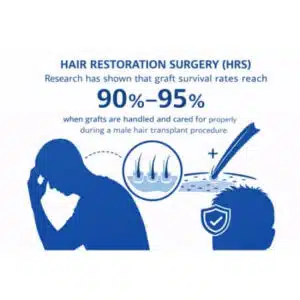
Hair Restoration Surgery (HRS) research has shown that graft survival rates may reach 90%-95 % when grafts are handled and cared for properly during a male hair transplant procedure.
The following factors can affect the graft survival rate during a male hair transplant procedure:
– The gentleness with which the individual follicles are removed from the donor site
– How the grafts are stored and handled on the surgical table
– The precision with which the grafts are implanted into the scalp
– The amount of blood flow in the recipient area
– Gentle post-operative care
Each follicular unit is capable of growing between one and four hairs. Therefore, good graft survival is essential if you wish to achieve the most natural-looking hair density possible after a male hair transplant.
Final Thoughts on Male Hair Transplant Surgery
Male hair transplants are among the few long-term options for individuals seeking to restore hair lost due to male pattern baldness. The evolution of surgical techniques has greatly enhanced the precision, natural appearance, and reliability of modern hair restoration procedures.
For men interested in learning more about undergoing a male hair transplant in Cape Town, it is helpful to understand the basics of how the procedure is performed, the various methods used when transplanting hair, and what to expect about the hair growth timeline, before beginning the journey to restore natural hair growth and confidence.
If you would like to learn more about your hair restoration options, contact us via our contact page, phone, email or WhatsApp. Our friendly and skilled surgeons are always ready to assist.
