

The short answer is yes – hair transplants are permanent.
Hair transplantation remains one of the most effective long-term solutions for addressing hair loss in both men and women with androgenetic alopecia (pattern baldness) and certain other types of alopecia. However, before undergoing a hair restoration procedure, it’s essential to understand what “permanence” truly means in the context of hair transplants.
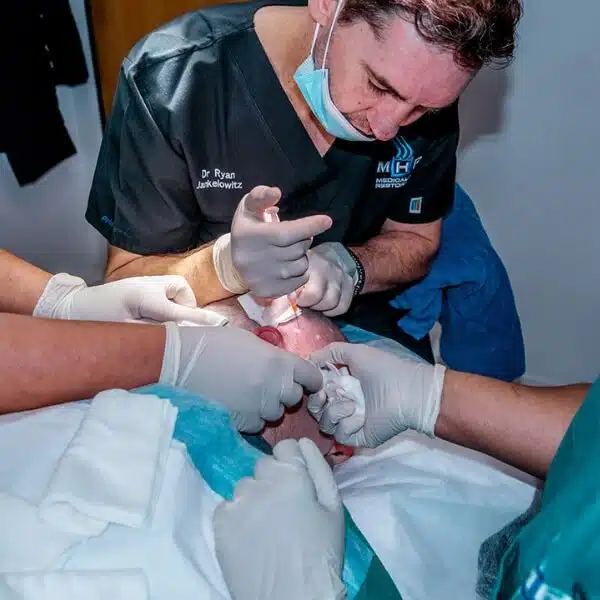
At Medical Hair Restoration in Cape Town, Dr. Ryan Jankelowitz performs both FUT and FUE hair transplant procedures. His goal is always to deliver natural-looking, lasting results. Let’s explore what makes hair transplants permanent, which factors influence outcomes, and how to maintain your results for years to come.
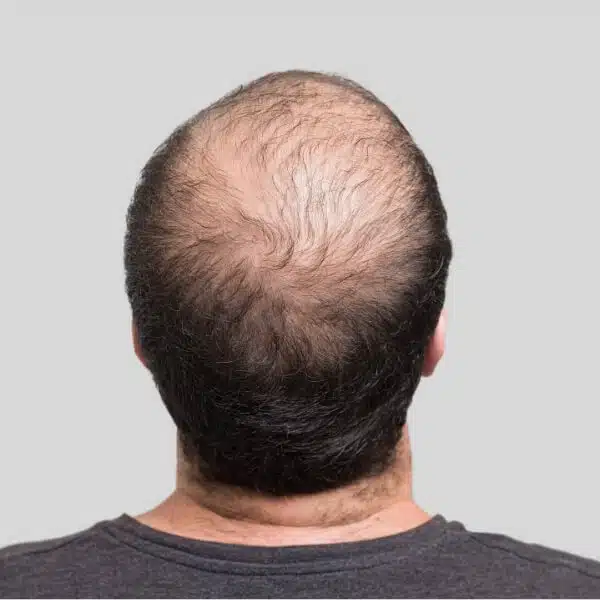
Understanding Hair Loss: Why Does Balding Happen?
The question of hair transplant permanence becomes clearer once we understand the process of hair loss.
The most common cause of hair loss is androgenetic alopecia. This condition causes hair follicles to shrink due to sensitivity to DHT (dihydrotestosterone). Over time, affected hairs become thinner and shorter until they stop growing entirely. However, the hair on the back and sides of the scalp tends to be resistant to DHT. These DHT-resistant donor areas are where surgeons extract hair for transplantation. Importantly, the genetic resistance to balding is preserved when these follicles are moved to thinning areas.
So, Are Hair Transplants Permanent?
Yes – hair transplants are generally permanent.
Both FUE (Follicular Unit Extraction) and FUT (Follicular Unit Transplantation) procedures offer long-lasting results. Transplanted hair retains its original DHT resistance, continuing to grow normally in the new location. These follicles follow a natural growth cycle of shedding and regrowth and will usually remain productive for a lifetime. However, several factors influence how permanent the results will be.
What Affects Hair Transplant Longevity?
1. Surgeon Skill & Experience
Hair transplant surgery blends medical precision with artistic design. Your surgeon’s expertise affects:
- Graft survival
- Hairline design and natural appearance
- Long-term transplant success
At MHR, Dr. Ryan carefully performs both FUT and FUE techniques to maximise graft viability, minimise scarring, and ensure natural density.
2. Your Hair Loss Pattern
Patients with stable hair loss often need only one procedure. However, those with progressive hair loss may require follow-up treatments or medical therapies like Finasteride or Minoxidil to maintain native hair. Without ongoing support, untreated areas may continue to thin, creating uneven density.
3. Donor Hair Quality
The density and quality of the donor area determine how many grafts can be harvested. Thicker, healthier donor hair leads to better and more lasting coverage.
4. Post-Operative Care
Proper aftercare is critical for graft survival. Following washing protocols, avoiding trauma, and using prescribed medications all promote healing and successful growth. Dr. Ryan offers detailed aftercare instructions and closely monitors each patient’s progress to ensure optimal recovery.
5. Ongoing Hair Maintenance
Even though transplanted hair is permanent, the surrounding hair may still thin over time. To protect your overall hair density, Dr. Ryan Jankelowitz often recommends:
- Finasteride or Minoxidil
- Platelet-Rich Plasma (PRP) therapy
These treatments help maintain your overall hair health and prevent future loss.
What Happens Years After a Hair Transplant?
After a transplant, the hair goes through an initial shedding phase, followed by a resting stage, and finally new growth, typically starting around 3–4 months post-op. Full results are usually visible after about one year.
Your new hair will:
- Grow at a normal rate
- Be strong and permanent
- Look and feel like natural hair
Long-term success depends on good scalp care and protecting non-transplanted hair.
Can Hair Transplants Fail?
While failure is rare at reputable clinics, it can happen due to:
- Inexperienced or unqualified practitioners
- Poor graft quality
- Underlying health conditions
- Improper aftercare
At Medical Hair Restoration, Dr. Ryan thoroughly assesses each patient’s suitability for surgery. If you’re not an ideal candidate, non-surgical treatments will be recommended first. The clinic prioritises ethical care and patient safety over profit.
Can You Need More Than One Hair Transplant?
Yes – especially if:
- Hair loss continues in untreated areas
- More density is desired
- Larger areas require gradual treatment
In such cases, a multi-phase plan is created to ensure realistic expectations, minimal trauma, and optimal results.
Final Thoughts: Are Hair Transplants Really Permanent?
In summary, hair transplants are a permanent solution when:
- Performed by a qualified, experienced surgeon like Dr. Ryan Jankelowitz
- Supported by long-term maintenance therapies
- Using healthy, DHT-resistant donor hair
Your transplanted follicles become a lasting part of your scalp but remember: non-transplanted hairs are still vulnerable to future thinning. That’s why a complete treatment plan is key to long-term success.
Book Your Consultation with Dr. Ryan
Take the first step toward lasting hair restoration and renewed confidence. Schedule your consultation at Medical Hair Restoration in Cape Town with Dr. Ryan Jankelowitz today. We’re here to help you start your hair restoration journey with expert care and personal attention.
